Sensory Integration Therapy
Hope Kids provides affordable, inclusive, and professional education for children with autism and special needs in Phnom Penh and across Cambodia.
Sensory Integration Therapy
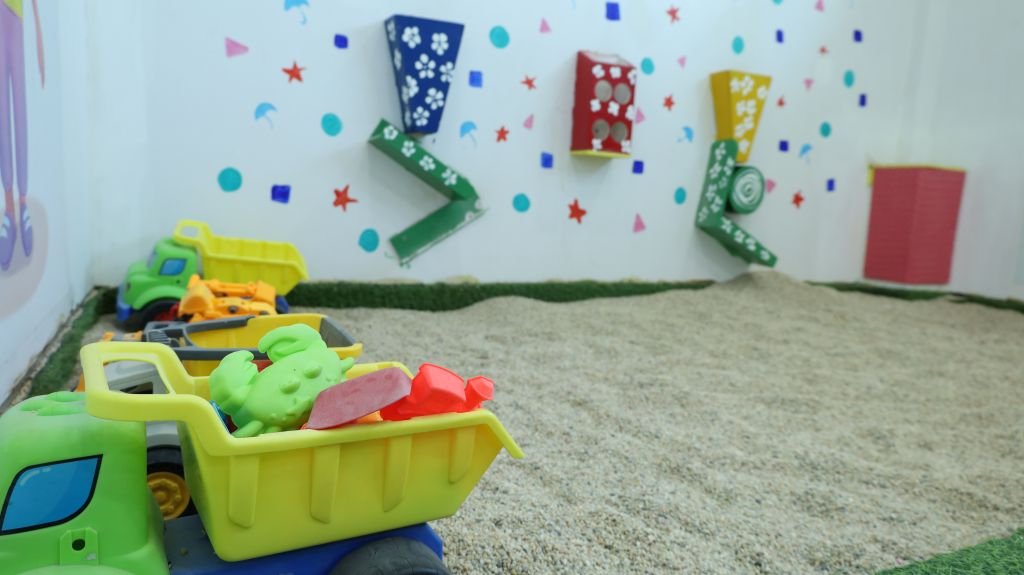
Helping Children Process Sensory Information and Participate More Fully in Everyday Life
Our approach is individualized. Rather than providing the same sensory activities to every child, we first consider how sensory processing may be affecting that particular child's ability to participate and what support may be appropriate.
What Is Sensory Integration?
Sensory Systems
- Children receive information through multiple sensory systems:
- • Touch (Tactile)
- • Sight (Visual)
- • Hearing (Auditory)
- • Taste (Gustatory)
- • Smell (Olfactory)
- • Movement and Balance (Vestibular)
- • Body Awareness (Proprioception)
When Processing Is Difficult
- When sensory information is difficult to process or integrate, some children may find particular activities, environments, or everyday routines challenging. For example, a child may find it difficult to:
- • Participate in a noisy classroom
- • Tolerate certain clothing or textures
- • Manage grooming activities
- • Participate in mealtimes
- • Coordinate movements during play
- • Sit and engage in classroom activities
- • Transition between activities
- • Organize their body for new movements
What Is Ayres Sensory Integration®?
Professional Training at Hope Kids
What Can Sensory Integration Therapy Support?
The goals of sensory integration therapy should be individualized and connected to meaningful activities. Depending on the child's needs, therapy may support sensory-motor skills, self-care and daily living, learning and school participation, play and social participation, and regulation and participation.
Sensory-Motor Skills
Therapy may support body awareness, balance, coordination, motor planning and praxis, postural control, and movement organization.
Self-Care & Daily Living
Therapy may support dressing, feeding and mealtimes, tooth brushing, hair washing and grooming, toileting routines, and other personal-care activities.
Learning & School Participation
Therapy may support participating in classroom activities, managing sensory demands in the learning environment, remaining engaged in meaningful activities, and using appropriate environmental supports.
Play & Social Participation
Therapy may support participating in play, exploring different play environments, joining activities with peers, and developing confidence in movement-based activities.
Regulation & Participation
Therapy may incorporate strategies that help children participate more successfully in activities that are challenging for them. Sensory integration therapy should not be presented as a treatment for autism itself or as a way of eliminating autistic behaviors.
Who May Benefit From Sensory Integration Therapy?
Sensory integration therapy may be considered for children whose sensory processing or integration difficulties are affecting their participation in everyday activities. This may include children with autism, ADHD, developmental delays, cerebral palsy, developmental coordination difficulties, and other developmental or learning needs. However, having a diagnosis does not automatically mean that a child needs sensory integration therapy.

Autism Spectrum Condition
Children with ASC and sensory processing differences.

ADHD
Children with attention and regulation challenges.

Developmental Delays
Children showing delays in milestones.

Cerebral Palsy
Children with CP and sensory needs.

Sensory Processing Differences
Children with sensory processing or integration difficulties.

Coordination Difficulties
Children with developmental coordination difficulties.

Learning Needs
Children with learning and school participation difficulties.

Other Developmental Needs
Children with other developmental or learning needs.
What Are Some Signs of Sensory Processing Difficulties?
Common Signs
- • Becomes distressed by certain sounds
- • Avoids particular clothing or textures
- • Has difficulty with grooming or personal care
- • Is very selective about food textures
- • Seeks frequent movement such as jumping, spinning, or crashing
- • Avoids movement activities that other children enjoy
- • Has difficulty with balance or coordination
- • Appears overwhelmed in busy environments
- • Has difficulty organizing their body during activities
- • Finds some everyday routines unusually difficult
How Is Sensory Integration Therapy Different From a “Sensory Diet”?
What Happens During Sensory Integration Therapy?
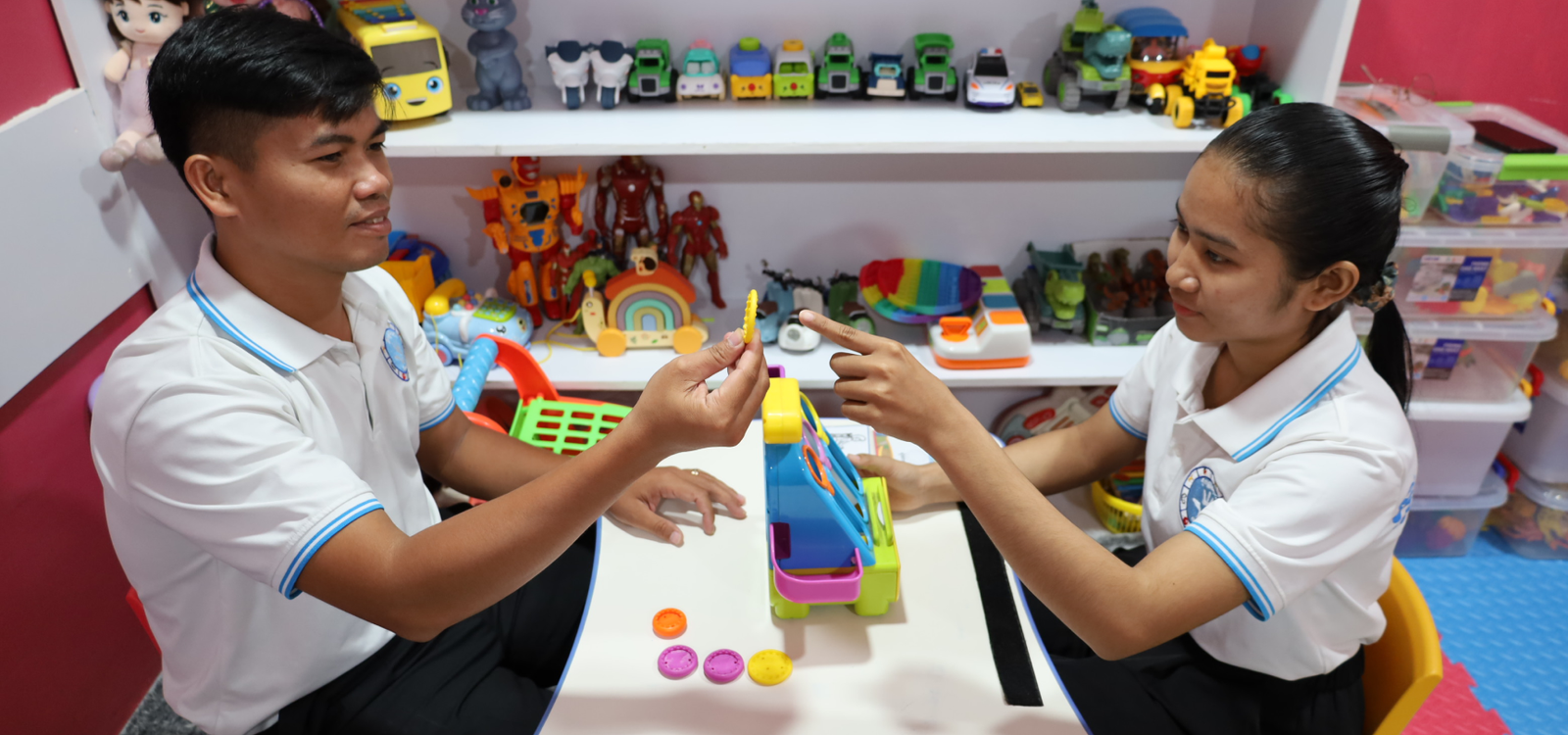
A session may include individualized, play-based activities designed around the child's sensory-motor needs and functional goals. The activities are not selected simply because they are enjoyable or provide sensory stimulation. The therapist considers what sensory-motor challenge is relevant, what skill is being developed, how it relates to the child's everyday participation, and whether the child is making meaningful progress.
Movement and Balance Activities
Activities that develop balance, vestibular processing, and body awareness.
Climbing and Obstacle Courses
Structured movement challenges that develop motor planning and coordination.
Swinging and Movement Experiences
Activities that provide vestibular input and support regulation.
Body Awareness Activities
Activities that develop proprioception and body awareness.
Fine and Gross Motor Activities
Activities that develop both fine and gross motor skills in a meaningful context.
Play-Based Problem-Solving
Activities that support adaptive responses and meaningful participation.
How Is Sensory Integration Therapy Individualized?
What Does the Research Say About Sensory Integration?
How Does Hope Kids Provide Sensory Integration Therapy?
At Hope Kids, sensory integration therapy is provided within a broader occupational therapy and developmental framework. The approach focuses on helping children use their sensory-motor abilities to participate more successfully in learning, play, self-care, movement, social activities, and everyday routines. Sensory integration therapy may also be coordinated with special education, speech and language therapy, physiotherapy, ABA and behavioral support, and early intervention.
Individualized Assessment
The child's sensory, motor, developmental, and functional needs are considered before intervention goals are established.
Individualized Therapy Goals
Goals are linked to meaningful activities rather than sensory stimulation alone. For example: "The child will participate in tooth brushing with reduced distress and less adult assistance."
Play-Based Intervention
Children engage in developmentally appropriate activities that provide opportunities to practice sensory-motor skills in meaningful ways.
Functional Practice
Skills are connected to everyday activities such as dressing, eating, grooming, classroom participation, play, and movement.
Environmental Support
Where appropriate, the team may recommend changes to the environment or routine that make participation easier.
Family Collaboration
Parents receive practical recommendations that can be incorporated into everyday routines when appropriate.
Ongoing Progress Monitoring
Goals and intervention strategies are reviewed according to the child's progress and functional needs.
Why Sensory Integration at Hope Kids?
Hope Kids combines special education and multidisciplinary therapy with specialized knowledge in sensory integration and child development. Our sensory integration services are supported by professional continuing education through the USC Chan Division. Most importantly, we do not assume that every child needs the same sensory intervention. We ask: What is this child experiencing? How is it affecting participation? What skills or environmental changes could help? Is the intervention making a meaningful difference?
Specialized Expertise
Professional continuing education in sensory integration through USC Chan.
Individualized Approach
We do not assume every child needs the same sensory intervention.
Functional Outcomes
Focus on participation, learning, play, communication, and independence.
Evidence-Based Practice
Intervention based on assessment findings and current research.
Multidisciplinary Collaboration
Sensory integration coordinated with OT, physiotherapy, speech therapy, ABA, TEACCH, and early intervention.
Family Partnership
Families are supported to understand goals and incorporate strategies into everyday routines.
Frequently Asked Questions
Sensory Integration Therapy in Phnom Penh, Cambodia
If your child experiences sensory processing or sensory integration difficulties that affect learning, self-care, movement, play, regulation, or everyday participation, an occupational therapy assessment can help determine what support may be appropriate. Hope Kids Special Education School provides individualized sensory integration and occupational therapy services for children in Phnom Penh, Cambodia.
Contact UsContact Hope Kids
If your child experiences sensory processing or sensory integration difficulties that affect learning, self-care, movement, play, regulation, or everyday participation, contact Hope Kids today to learn more about our Sensory Integration Therapy Program.