School Readiness Program
Hope Kids provides affordable, inclusive, and professional education for children with autism and special needs in Phnom Penh and across Cambodia.
School Readiness Program
Preparing Children for a Confident and Successful Transition to School
Preparing Children for a Confident and Successful Transition to School
What Is a School Readiness Program?
A School Readiness Program helps children develop the foundational skills needed to participate successfully in a school setting. School readiness includes several areas of development: Communication and language, Social interaction, Emotional regulation, Attention and learning, Early literacy, Early numeracy, Fine motor skills, Following routines, Independence, Self-care, Classroom participation, and Problem-solving and flexible thinking. A child does not need to have mastered every skill before starting school. Instead, school readiness is about having an appropriate foundation for learning and participating in the classroom, with the level of support adjusted to the child's individual needs.

Communication and Language
Expressing needs, asking for help, following instructions, and participating in conversations.

Social Interaction
Playing with peers, taking turns, sharing, and responding to teachers and classmates.

Emotional Regulation
Managing feelings, coping with frustration, and recovering from disappointment.

Attention and Learning
Staying engaged with activities, listening to instructions, and completing tasks.

Early Literacy
Recognizing names, letters, understanding print, and developing pre-reading skills.

Early Numeracy
Counting, recognizing numbers, sorting, matching, and understanding basic math concepts.

Fine Motor Skills
Using pencils, cutting, gluing, manipulating materials, and developing hand strength.

Independence and Self-Care
Managing belongings, dressing, eating, toileting, and following routines with less adult support.
What Does "School Ready" Actually Mean?
Communicate
- • Tell an adult what they need
- • Ask for help
- • Make choices
- • Answer simple questions
- • Understand everyday instructions
- • Communicate when something is wrong
Participate
- • Join a group activity
- • Listen to a teacher
- • Follow a simple routine
- • Stay engaged with an activity
- • Move between activities
Interact
- • Be around other children
- • Take turns
- • Share materials
- • Participate in simple social exchanges
- • Respond to teachers and peers
Regulate
- • Cope with waiting
- • Manage frustration with support
- • Transition between activities
- • Recover from disappointment
- • Use appropriate strategies when overwhelmed
Become Independent
- • Manage simple self-care
- • Put belongings away
- • Use classroom materials
- • Follow familiar routines
- • Ask for assistance when needed
Learn
- • Attend to an activity
- • Explore new materials
- • Follow instructions
- • Develop early literacy and numeracy concepts
- • Try new tasks
- • Solve simple problems
Why Is School Readiness Important?
Who Can Benefit From a School Readiness Program?
A School Readiness Program may benefit children who are preparing to enter preschool or kindergarten, transitioning to a new school, have developmental delays, have Autism Spectrum Condition (ASC), have ADHD, have communication or language difficulties, have difficulty participating in groups, have difficulty following instructions, struggle with transitions or changes in routine, need additional support with self-care, have fine motor or pre-writing difficulties, have difficulty sustaining attention, need support developing independence, or would benefit from additional preparation before entering school. A child does not need to have a diagnosis to benefit from school readiness support. Sometimes a child simply needs more opportunities to practice a particular skill.
Preschool Transition
Children preparing to enter preschool or kindergarten who need structured preparation.
Developmental Delays
Children with developmental delays who need targeted skill development.
Autism and ADHD
Children with ASC or ADHD who may benefit from structured school preparation.
Communication Difficulties
Children with communication or language difficulties who need support expressing needs.
Group Participation
Children who find it difficult to participate in group activities or follow group instructions.
Independence Skills
Children who need support developing independence with self-care and daily routines.
How Do I Know If My Child Is Ready for School?
There is no single test that determines whether a child is "ready." Instead, parents can look at several areas of development. A child may have strong skills in some areas and need significant support in others. That does not necessarily mean they are "not ready for school." It tells us where preparation or accommodations may be useful.
Communication
Can your child:
• Communicate basic needs?
• Ask for help?
• Follow simple instructions?
• Understand familiar questions?
• Communicate with adults?
Social Participation
Can your child:
• Participate alongside other children?
• Wait briefly for a turn?
• Share materials with support?
• Respond to teachers?
• Join a simple group activity?
Emotional Regulation
Can your child:
• Cope with small changes?
• Transition between activities?
• Communicate when upset?
• Recover from frustration with support?
Independence
Can your child:
• Manage some dressing tasks?
• Eat and drink independently?
• Use the toilet or communicate toileting needs?
• Put belongings away?
• Follow familiar routines?
Learning
Can your child:
• Attend to an activity?
• Follow simple directions?
• Explore new activities?
• Complete simple tasks?
• Show curiosity and interest in learning?
What If My Child Is Not Ready for School Yet?
How Hope Kids Delivers the School Readiness Program
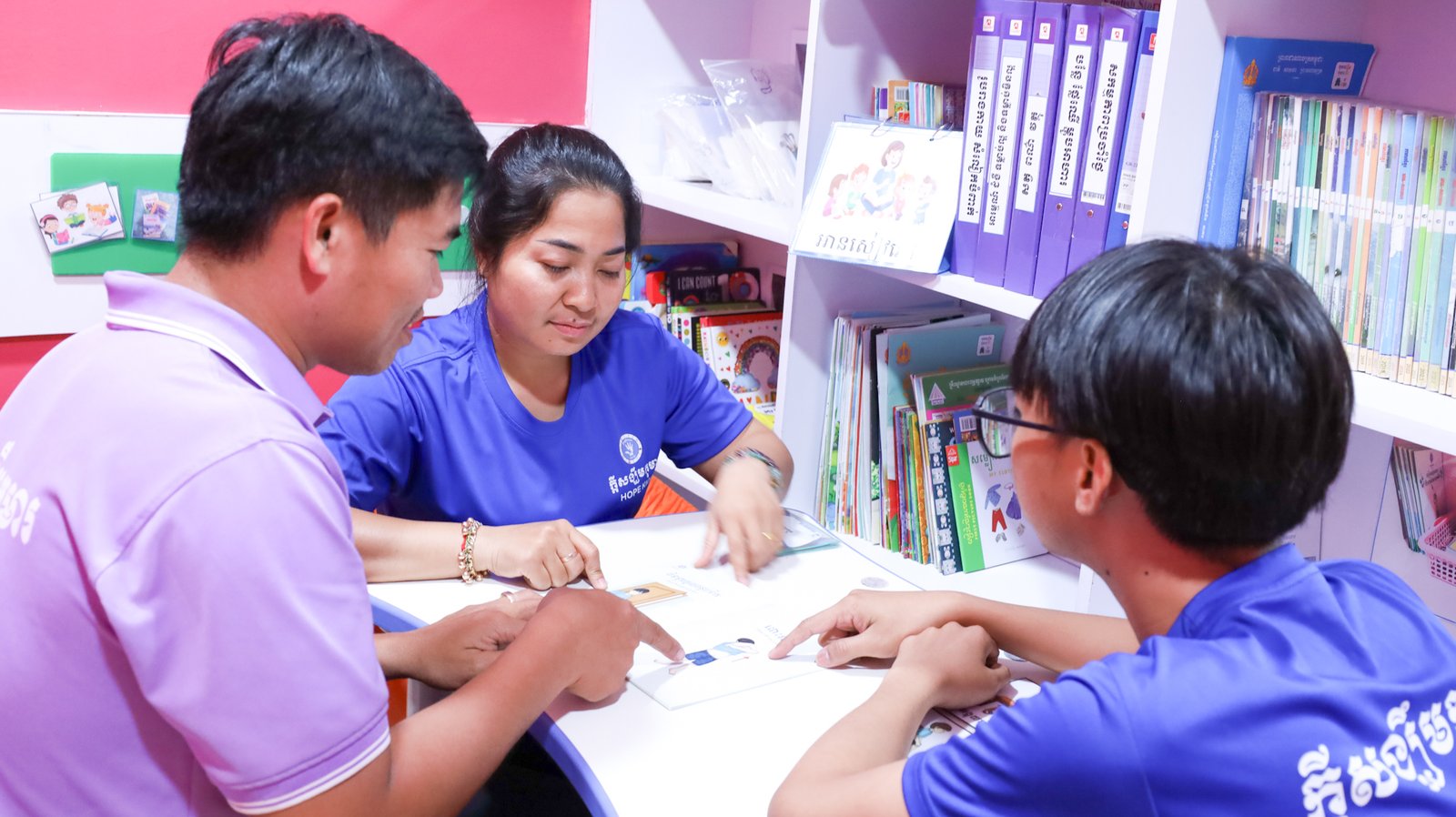
Our School Readiness Program uses a structured, individualized approach to help children build the skills they need for a successful transition to school.
Individual Developmental Assessment
We begin by understanding the child's current developmental profile. We consider what the child can currently do, emerging skills, communication abilities, social participation, emotional regulation, learning skills, motor development, independence, self-care, and areas affecting classroom participation.
Individualized Learning Goals
Each child works toward goals that are appropriate to their developmental level. For one child, the priority may be communication. For another, it may be participating in group activities. For another, it may be learning to manage a toileting routine or transition between activities. This ensures that school readiness is individualized rather than based on a one-size-fits-all checklist.
Structured Learning Activities
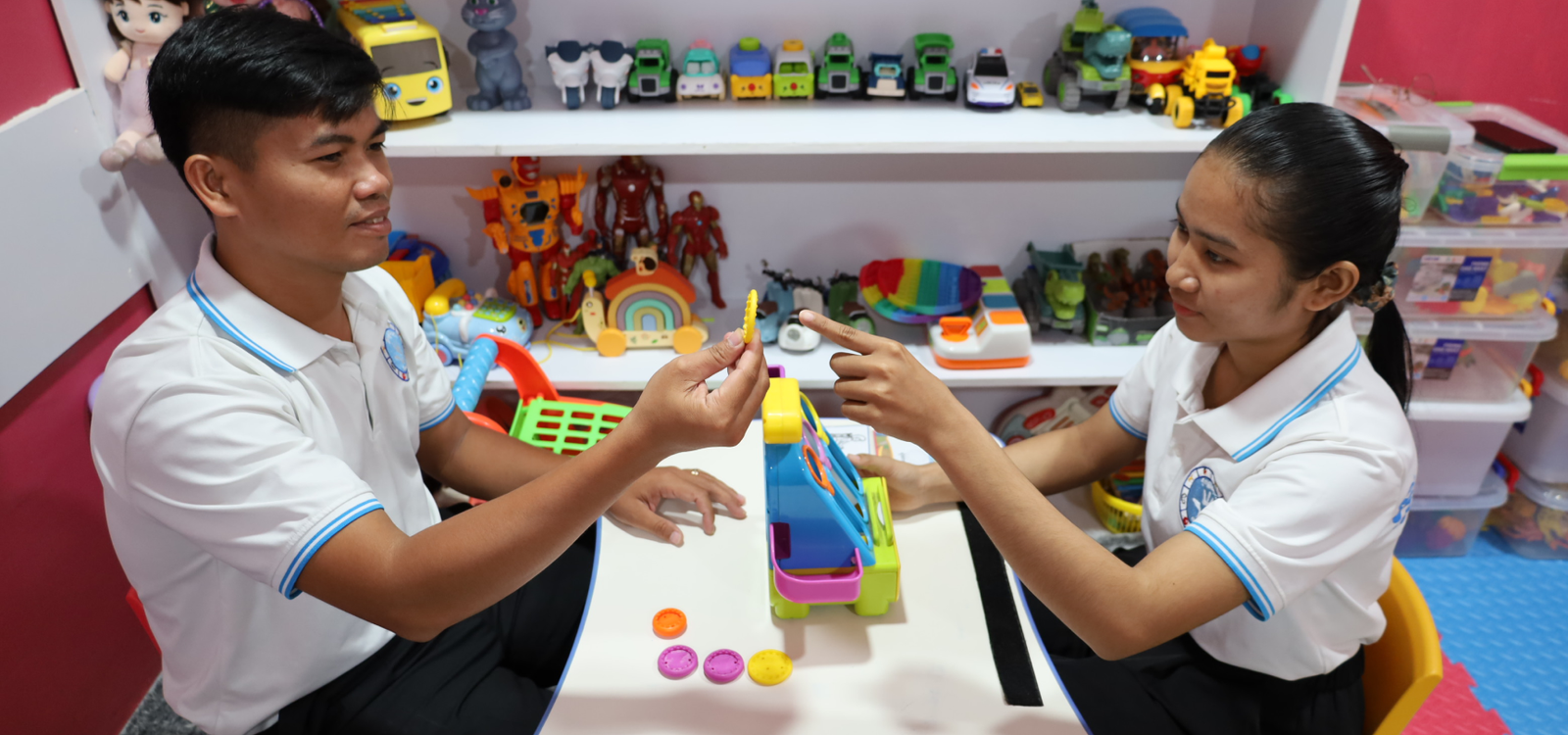
Children participate in activities that allow them to practice school-related skills. These may include table-top learning, story time, group activities, art and creative activities, early literacy, early numeracy, games, classroom routines, self-care routines, and following visual schedules.
Small-Group Learning
Small groups provide opportunities to practice classroom participation in a manageable environment. Children may practice sitting with a group, listening to a teacher, waiting, taking turns, sharing, following group instructions, participating in songs, and communicating with peers. Support can gradually be adjusted as the child's independence increases.
Play-Based Learning
Play provides children with natural opportunities to develop communication, social interaction, problem-solving, attention, flexibility, imagination, emotional regulation, and cooperation. Play-based activities can therefore be combined with structured learning experiences.
Visual Supports and Predictable Routines
Some children benefit from knowing what is going to happen next. Visual schedules, first-then supports, visual instructions, and predictable routines can help children understand expectations and transitions. These supports can be particularly useful for children who have difficulty processing lengthy verbal instructions or coping with changes.
Multidisciplinary Support
School readiness often involves several developmental areas. Depending on the child's needs, goals may be supported alongside Speech and Language Therapy, Occupational Therapy, Physiotherapy, Applied Behavior Analysis (ABA), PECS and other AAC approaches, Structured Teaching (TEACCH), Play Therapy, Early Intervention, and Special Education. This allows the child's educational and therapeutic goals to work together rather than existing in separate silos.
Preparing for the Actual School Environment
Following a morning routine
Skills Developed Through the School Readiness Program
Our School Readiness Program addresses multiple developmental areas to build a strong foundation for classroom participation and learning.
Communication and Language Skills
Children may work on following simple and increasingly complex instructions, understanding classroom language, expressing needs and ideas, asking for help, answering questions, developing vocabulary, listening and responding, participating in conversations, and communicating with teachers and peers. Children who use AAC, PECS, signs, gestures, or other communication supports can also practice using their communication system during classroom-style activities.
Social Skills
School is a highly social environment. Children may practice greeting others, sharing, turn-taking, waiting, cooperative play, joining activities, working alongside peers, responding to teachers, asking peers for help, participating in group activities, and understanding simple social expectations. The goal is not simply "good behavior." The goal is to help children develop the skills they need to communicate and participate with other people.
Emotional Regulation
Children experience frustration, waiting, unexpected changes, difficult tasks, and transitions throughout the school day. School readiness may therefore include learning to identify emotions, communicate feelings, ask for help, request a break, wait for preferred activities, transition between activities, cope with small changes, use calming strategies, and return to an activity after becoming upset. These skills can help children participate more successfully in classroom routines.
Attention and Learning Skills
Children gradually develop the ability to engage with learning activities. School readiness may support attending to an activity, listening to instructions, following sequences, beginning a task, completing a task, shifting attention, staying engaged, asking for help, and following classroom routines. Expectations should always be appropriate for the child's developmental level.
Early Literacy Skills
Depending on the child's developmental level, activities may introduce recognizing their name, letter recognition, matching letters, listening to stories, looking at books, understanding that print carries meaning, rhyming and sound awareness, pre-writing skills, and early reading concepts. The focus is on building a foundation for future literacy rather than expecting young children to master formal reading prematurely.
Early Numeracy Skills
Children may develop early mathematical concepts through structured activities and play. These may include counting, number recognition, matching, sorting, categorizing, comparing quantities, patterns, shapes, simple problem-solving, and understanding concepts such as more, less, same, and different.
Fine Motor and Classroom Skills
Children use fine motor skills throughout the school day. Activities may support pencil and crayon control, pre-writing, drawing, cutting, gluing, hand-eye coordination, manipulating classroom materials, opening containers, turning pages, and managing school supplies. When fine motor difficulties significantly affect participation, Occupational Therapy may complement school readiness intervention.
Independence and Self-Care
School readiness also involves becoming increasingly independent. Children may practice toileting routines, hand washing, eating and drinking, managing clothing, putting belongings away, opening lunch containers, packing and unpacking, following daily routines, and asking for assistance. The objective is not complete independence overnight. Children can gradually move from adult assistance to partial assistance to greater independence.
Supporting School Readiness at Home
Parents do not need special equipment or complicated teaching programs to support school readiness. Everyday routines are full of opportunities. During meals, encourage your child to request food, make choices, open containers, use utensils, and clean up. During dressing, encourage putting on shoes, managing simple fasteners, choosing clothing, and putting clothes away. During play, practice turn-taking, sharing, requesting, following simple rules, and cleaning up. During household routines, encourage your child to follow simple instructions, put belongings away, help with simple tasks, and complete familiar routines. During reading, encourage looking at pictures, turning pages, answering questions, naming objects, and retelling parts of a story. Small everyday opportunities can build the foundations for much bigger skills.
During Meals
Encourage your child to:
• Request food
• Make choices
• Open containers
• Use utensils
• Clean up
During Dressing
Encourage:
• Putting on shoes
• Managing simple fasteners
• Choosing clothing
• Putting clothes away
During Play
Practice:
• Turn-taking
• Sharing
• Requesting
• Following simple rules
• Cleaning up
During Household Routines
Encourage your child to:
• Follow simple instructions
• Put belongings away
• Help with simple tasks
• Complete familiar routines
During Reading
Encourage:
• Looking at pictures
• Turning pages
• Answering questions
• Naming objects
• Retelling parts of a story
What Does Progress Look Like?
School readiness progress is different for every child. It may look like a child being able to tell their teacher that they need help, join a group activity, ask for a break when feeling overwhelmed, put their belongings away, listen to a short story and participate, or complete more of their toileting or eating routine independently. These functional improvements are important indicators of readiness because they affect how a child can actually participate in school.
Communication
"I can tell my teacher that I need help."
Social Participation
"I can join a group activity."
Emotional Regulation
"I can ask for a break when I feel overwhelmed."
Independence
"I can put my belongings away."
Learning
"I can listen to a short story and participate."
Transitions
"I can move from one activity to another with support."
Self-Care
"I can complete more of my toileting or eating routine independently."
Benefits of School Readiness Support
School readiness support provides children with structured opportunities to develop the skills they need for a successful transition to school.
Increased Confidence
Children have opportunities to practice unfamiliar skills and routines before encountering them in a larger classroom environment.
Improved Classroom Participation
Children develop skills for following routines, joining activities, communicating, and engaging with learning.
Greater Independence
Children practice managing age-appropriate tasks with gradually decreasing adult support.
Stronger Communication
Children develop ways to communicate their needs, preferences, ideas, and questions.
Social Development
Children have structured opportunities to interact with teachers and peers.
Familiarity With School Routines
Practicing classroom-style routines can make new expectations more predictable and manageable.
Why Choose Hope Kids?
Hope Kids offers individualized school readiness support that considers the whole child. Our approach combines educational and therapeutic expertise to help children build the skills they need for a successful transition to school.
Individualized Support
We recognize that school readiness looks different for every child.
Whole-Child Approach
We consider communication, social development, emotional regulation, learning, motor skills, independence, and self-care.
Educational and Therapeutic Collaboration
Our educators and therapists can work together to address the different skills that influence school participation.
Structured and Supportive Environment
Children can practice classroom-related routines while receiving support appropriate to their developmental level.
Family Partnership
Parents are included in the process and receive practical recommendations for supporting developing skills at home.
Frequently Asked Questions About School Readiness
Contact Hope Kids
If your child is preparing to enter preschool, kindergarten, or primary school in Phnom Penh, Cambodia, Hope Kids can help you understand which developmental and learning skills may support a successful transition. Our School Readiness Program focuses on helping children become increasingly confident, communicative, independent, and ready to participate in learning. School readiness is not about making every child ready in exactly the same way. It is about understanding what each child needs to participate, learn, connect, and thrive.
Contact UsContact Hope Kids
If your child is preparing to enter preschool, kindergarten, or primary school in Phnom Penh, Cambodia, Hope Kids can help you understand which developmental and learning skills may support a successful transition.