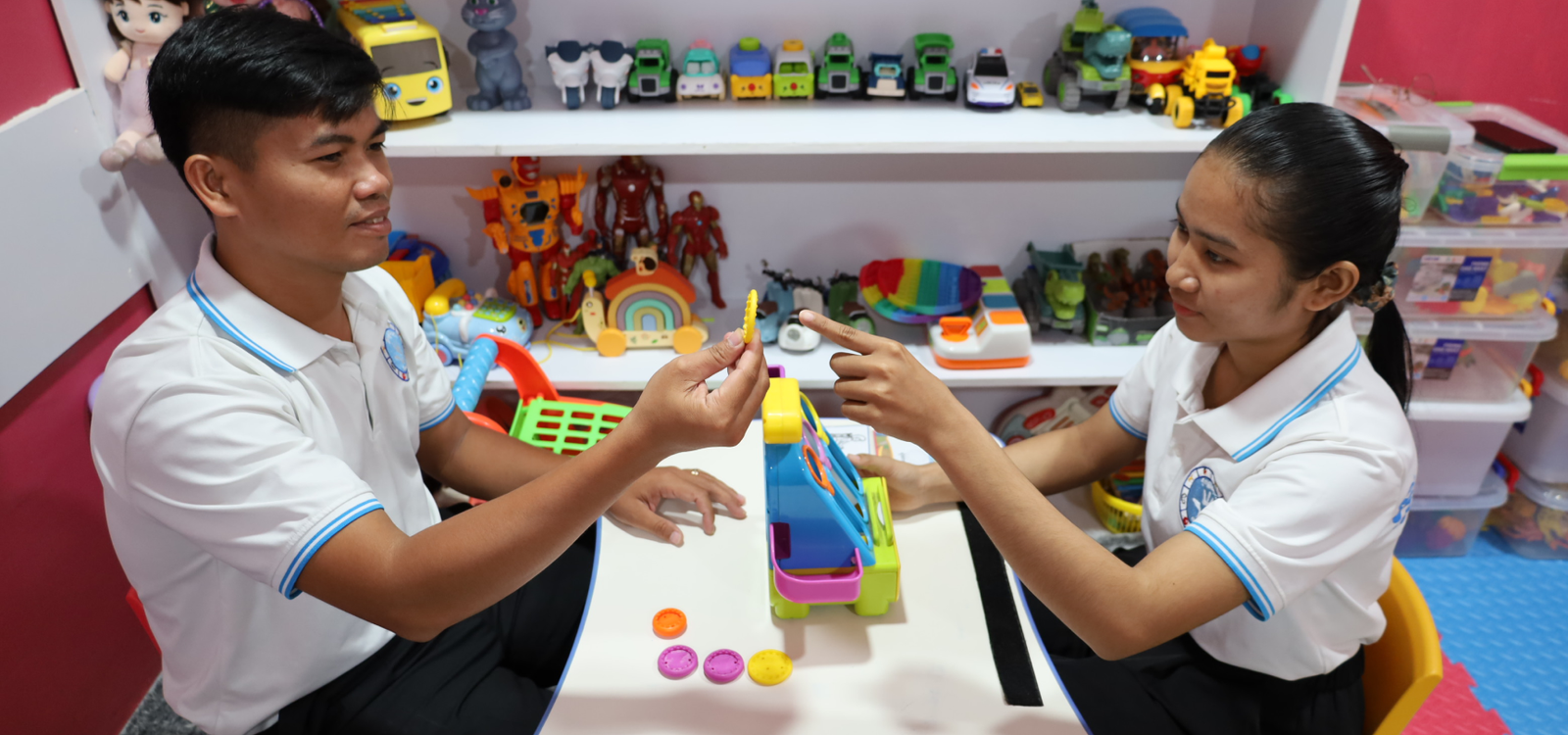
Occupational Therapy
Hope Kids provides affordable, inclusive, and professional education for children with autism and special needs in Phnom Penh and across Cambodia.
Occupational Therapy
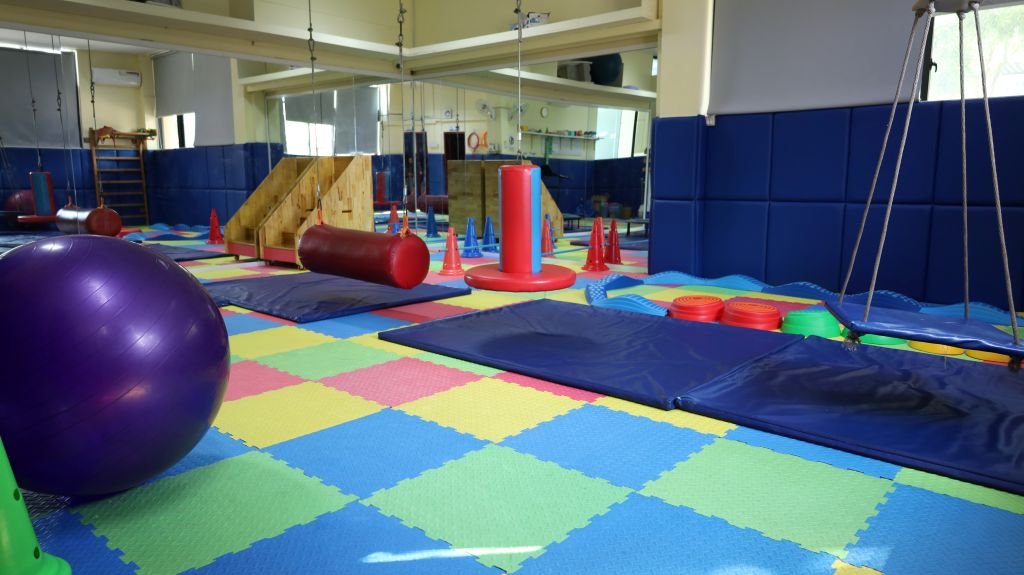
Helping Children Participate, Learn, and Become More Independent
The American Occupational Therapy Association (AOTA) describes occupational therapy as a profession that enables people of all ages to participate in daily living. For children, this can include education, play, self-care, social participation, and other meaningful activities.
What Is Occupational Therapy?
Occupational therapy helps children develop, improve, or adapt the skills needed to participate in meaningful everyday activities. For children, OT looks at what they need and want to do in everyday life, what is making participation difficult, and what skills or adaptations can help.

Fine-Motor Skills
Using pencils, scissors, utensils, buttons, zippers, and other tools.

Handwriting & Pre-Writing
Developing the motor and visual skills needed for writing and classroom activities.

Self-Care & Daily Living
Eating, dressing, toileting, bathing, brushing teeth, and personal-care routines.

Sensory Processing
Supporting children whose sensory processing differences affect participation in everyday activities.

Attention & Regulation
Supporting attention, participation, and regulation during learning and daily routines.

Motor Planning & Coordination
Helping children plan and coordinate movements for new or complex activities.

Play Skills
Supporting participation in play and age-appropriate activities.

School Participation
Helping children participate in classroom routines, learning activities, and use of school materials.

Independence
Helping children complete meaningful activities with less adult assistance.
Who Can Benefit From Pediatric Occupational Therapy?
OT may support children with a wide range of developmental, learning, physical, and sensory needs. A diagnosis is not the only reason a child may benefit from OT. Functional difficulties that affect participation in everyday activities may also be appropriate reasons for an occupational therapy assessment.
Autism Spectrum Condition
Children with ASC and their families.
ADHD
Children with attention and focus challenges.
Developmental Delays
Children showing delays in milestones.
Cerebral Palsy
Children with CP and movement needs.
Down Syndrome
Children with Down syndrome and developmental needs.
Sensory Processing
Children with sensory processing differences.
Fine Motor Difficulties
Children needing support with hand function and fine motor tasks.
School Participation
Children needing support with school activities and routines.
What Does Occupational Therapy Work On?
The goals of OT are based on what is meaningful and functional for the individual child. For example, if a child has difficulty getting dressed, the therapist may consider what is making dressing difficult — fine-motor skills, motor planning, understanding the sequence, attention, sensory sensitivities, or clothing and environmental factors.
Fine-Motor Skills
Developing control for writing, cutting, buttoning, zipping, and using utensils.
Handwriting & Pre-Writing
Building motor and visual skills for writing and classroom tasks.
Self-Care & Daily Living
Practicing dressing, eating, toileting, bathing, and personal care routines.
Sensory Processing
Supporting children whose sensory differences affect participation.
Attention & Regulation
Supporting attention and regulation during learning and daily routines.
Motor Planning & Coordination
Helping children plan and coordinate movements for new or complex activities.
Play Skills
Supporting participation in play and age-appropriate activities.
School Participation
Helping children participate in classroom routines, learning, and school materials.
How Does OT Support Independence?
Daily Living Skills
- Children may work on:
- • Feed themselves
- • Put on and remove clothing
- • Brush their teeth
- • Use the toilet
- • Organize school materials
- • Follow a morning routine
- • Participate in classroom activities
- • Play with other children
- • Complete age-appropriate household or community activities
How Does Occupational Therapy Work at Hope Kids?
At Hope Kids, OT goals are individualized according to each child's developmental level, strengths, interests, challenges, and functional needs. Where appropriate, occupational therapy may be coordinated with special education, speech and language therapy, physiotherapy, ABA and behavioral support, Structured TEACCHing, and early intervention.
Individualized Goals
Goals are tailored to the child's developmental level, strengths, interests, challenges, and functional needs.
Fine and Gross Motor Development
Addressing fine-motor control, hand strength, coordination, and gross-motor skills.
Sensory Processing
Supporting children whose sensory processing differences affect participation.
Self-Care and Daily Living
Building independence in dressing, eating, toileting, bathing, and personal care.
School Participation
Supporting classroom routines, learning activities, and use of school materials.
Multidisciplinary Collaboration
OT coordinated with special education, speech therapy, physiotherapy, ABA, TEACCH, and early intervention.
Frequently Asked Questions
Contact Hope Kids
If your child has difficulties with self-care, handwriting, sensory processing, attention, coordination, play, or school participation, Hope Kids can provide an occupational therapy assessment and help identify appropriate support. Our Occupational Therapy Program in Phnom Penh, Cambodia is designed to help children develop the skills they need to participate, learn, and become more independent in everyday life.
Contact UsContact Hope Kids
If your child has difficulties with self-care, handwriting, sensory processing, attention, coordination, play, or school participation, Hope Kids can provide an occupational therapy assessment and help identify appropriate support.